Angkor, beyond the postcard
Carved stone, forest roots and a city alive with creativity. There is more than one way to get to know Siem Reap.
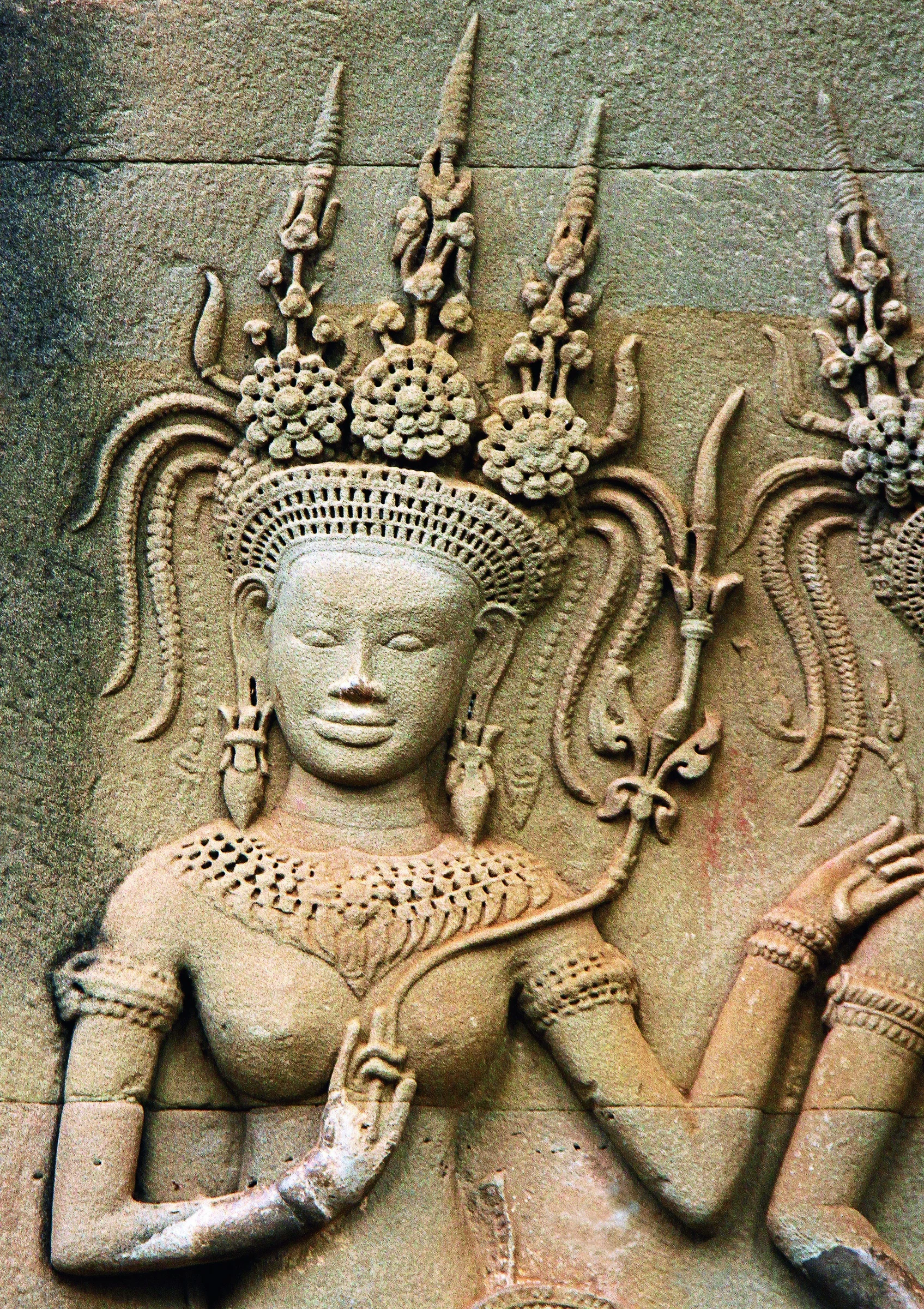
An encounter with Angkor can begin with a skyline or a single carved face. Both ask you to look closely. In his September feature, David Bowden returns to a place he first visited in 1993, following its monumental past into the restaurants, markets and performances of present-day Siem Reap.
Look beyond one temple
Angkor Wat is the familiar image, but it belongs to a much larger landscape of religious sites. Bowden’s account moves between the forest-entwined stone of Ta Prohm and the pink sandstone of Banteay Srei. Their differences are a reason to leave room between visits, allowing the details of one place to settle before moving to the next.
Water also belongs in the story. The reservoirs known as barays formed part of a system for holding wet-season rain through drier months. Beyond the monuments, people continue to cultivate the land. Seeing Angkor as a lived-in landscape adds another dimension to its extraordinary architecture.
The city after the temples
Siem Reap offers a different register of discovery. Khmer cooking, riverside markets and local craft draw the attention back to the present. The original article follows dishes such as amok trei and pomelo salad, and points to social enterprises including Spoons, Haven and Sala Baï as part of the city’s food landscape.
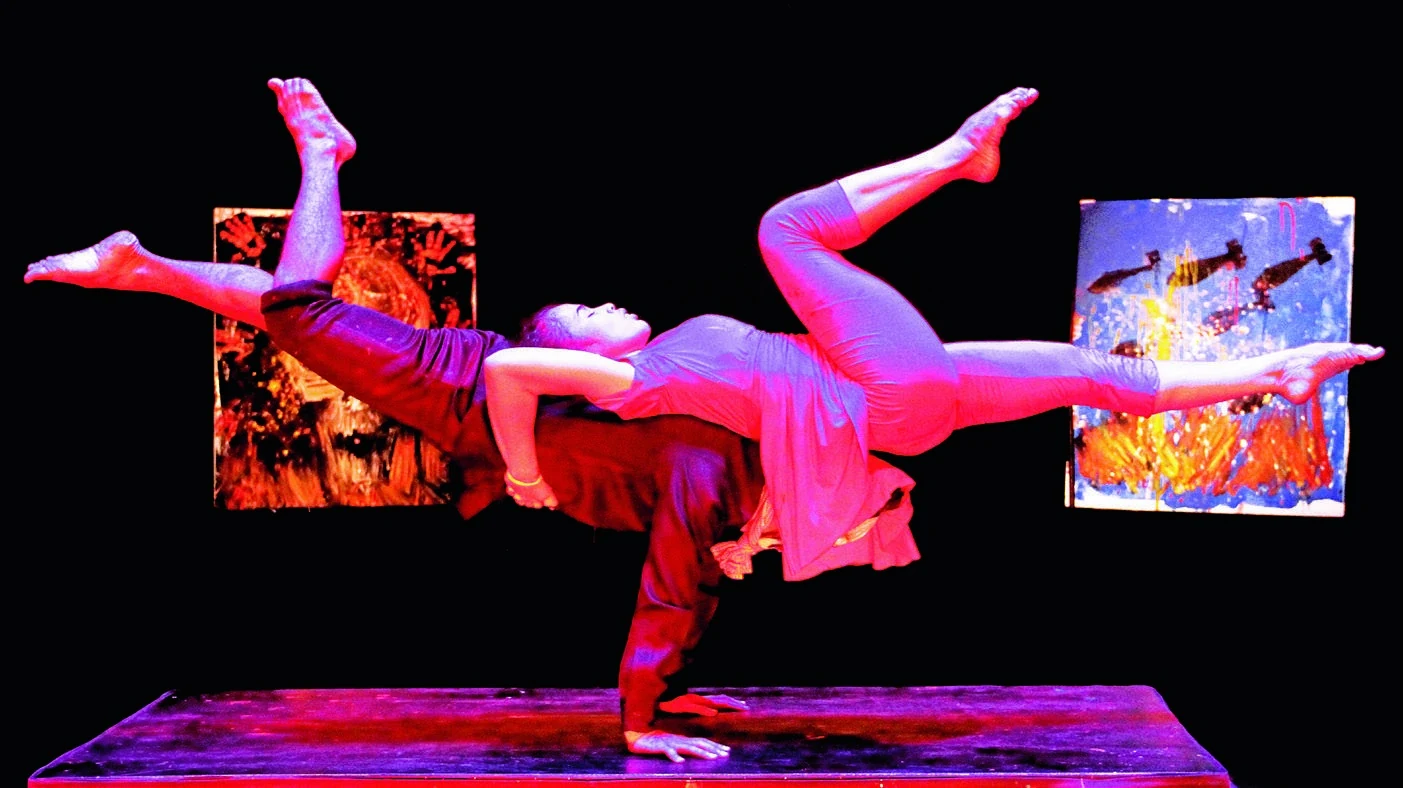
At Phare, performance brings acrobatics, theatre and live music together. At the Made in Cambodia Market, artisans give visitors another way to encounter local creativity. Those experiences belong beside the famous temple views: each reveals people making something of their own. Bowden’s feature invites a visit with time for both the enduring stonework and the city continuing to grow around it.

Temples of the Gods
Original story by David Bowden. The Expat, September 2026, pages 46–49.
This digital preview is adapted from the original magazine feature. Text has been shortened and rewritten; photography and artwork come from the print edition.