The quieter side of paradise.
Beyond the postcard coastline, a quieter world of mangroves and waterways asks us to slow down and look closer.
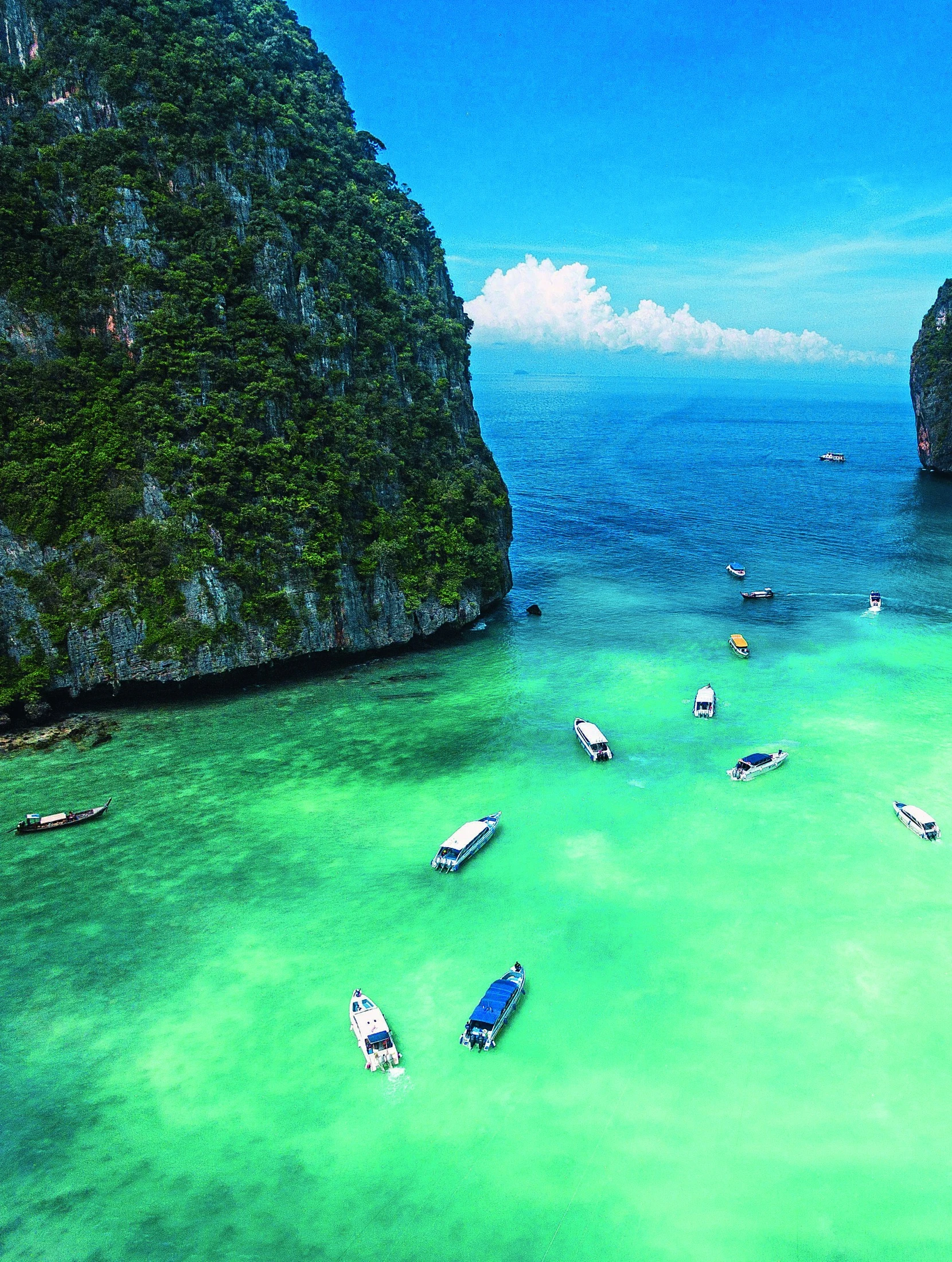
Krabi knows how to make a first impression. Limestone cliffs rise from brilliantly coloured water, and the coastline looks familiar even to people who have never set foot on it. But Sue Ann Kunath’s March feature turns the lens towards a less immediately theatrical landscape: the mangrove forests and waterways that help make this coast possible.
The landscape behind the picture
The cliffs tell a long geological story. Ancient marine deposits became limestone; natural forces lifted the rock, and water gradually shaped its caves and dramatic towers. Below and around these formations, tidal channels support a different kind of architecture, built from roots, sediment and the patient growth of coastal trees.
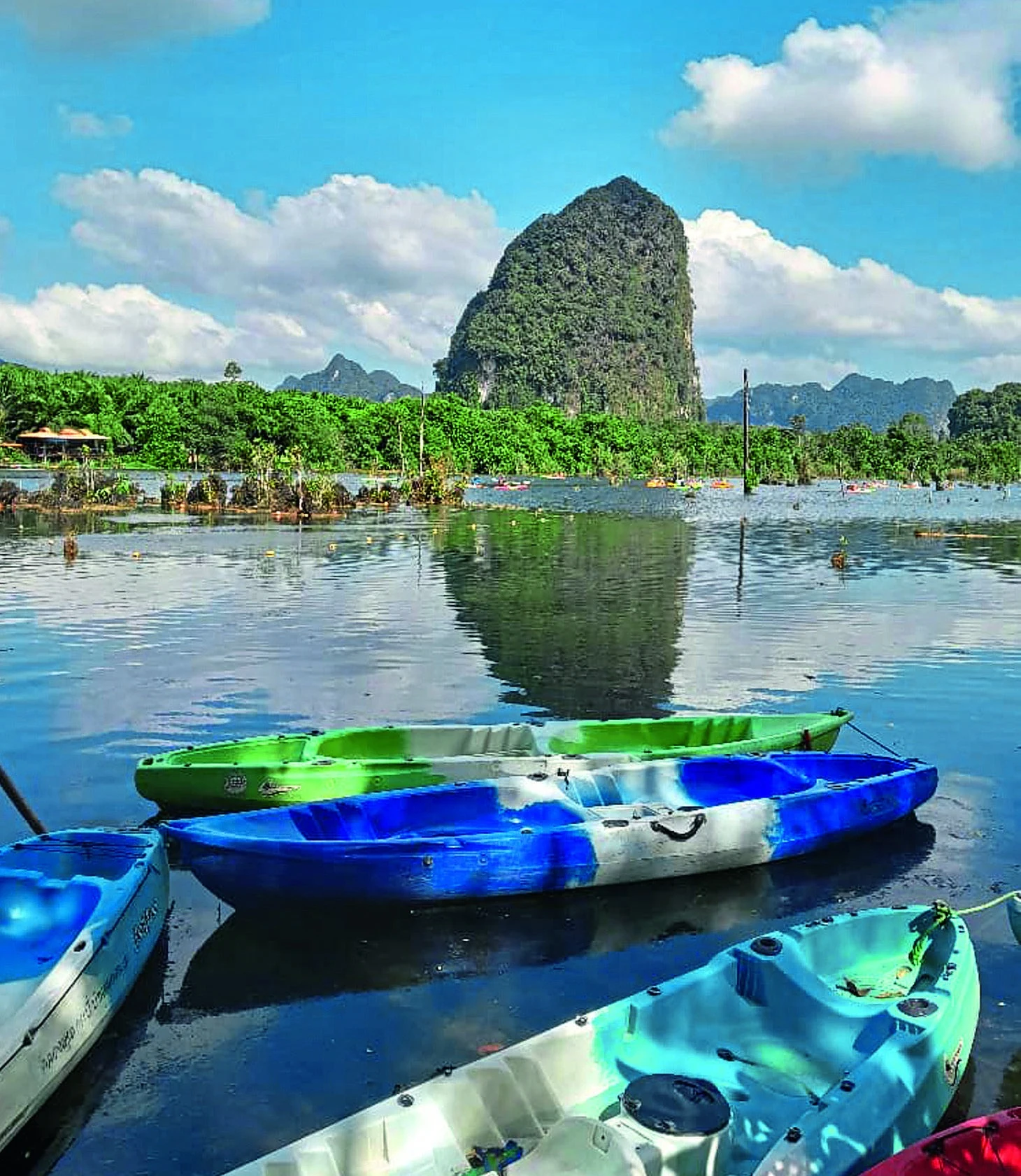
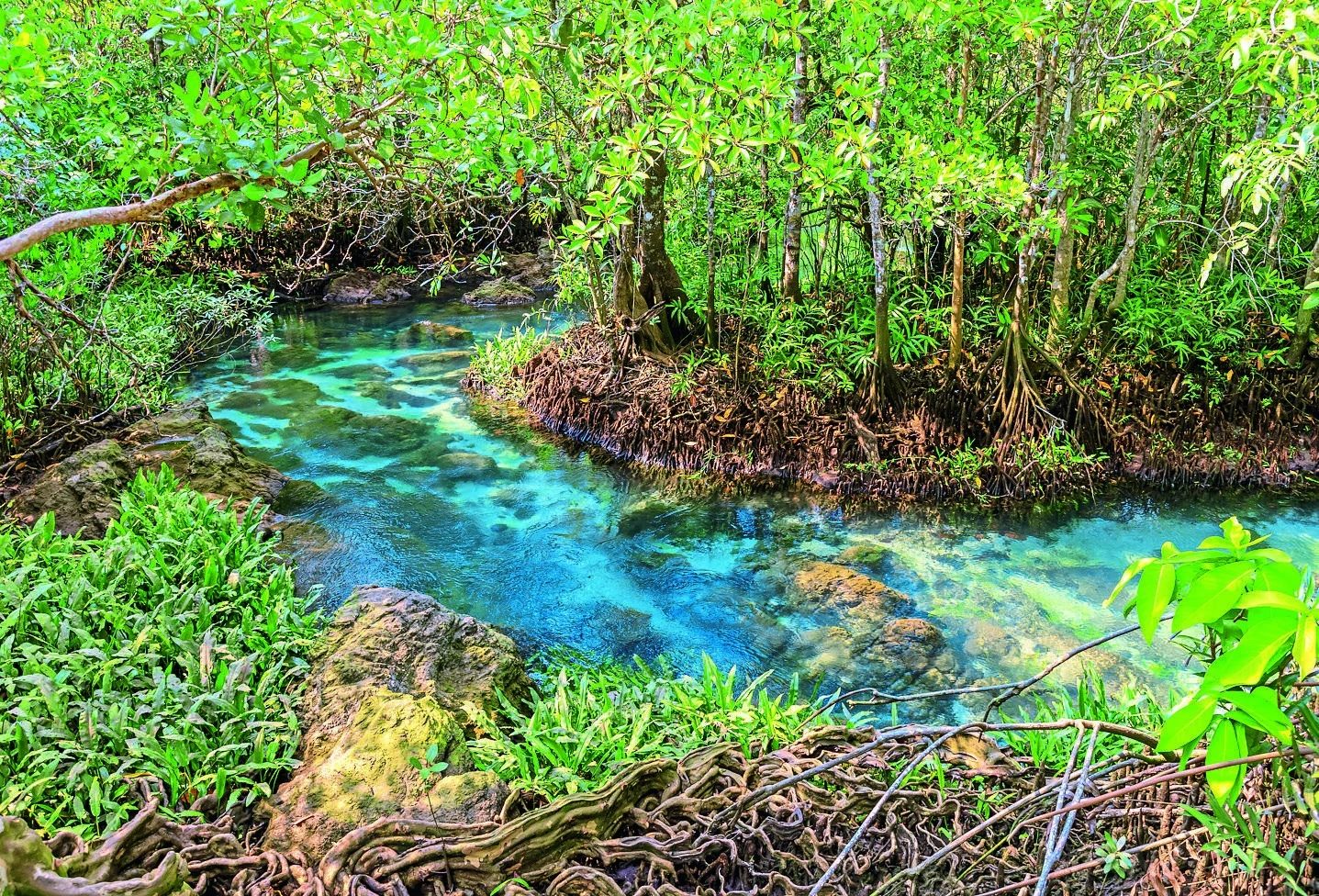
Around the Krabi Estuary, mangroves provide shelter for wildlife, stabilise the shoreline and help soften the force of waves. Their tangled roots create nursery spaces for marine life, while the surrounding waterways connect them with seagrass beds and the wider sea. Seen this way, the coast is an interdependent living system as well as a beautiful view.
A slower way through
Kayaking changes the scale of the experience. Instead of passing a green edge from a distance, a paddler moves through shaded channels, listening and watching for the details that a faster journey misses. The original account explores mangrove outings as well as the freshwater scenery of Klong Root, where clear water and greenery offer another kind of immersion.
The article also acknowledges the pressures that tourism and development place on these environments. Litter, disturbed sediment and changes to the shoreline have consequences beyond the immediate scene. Its central invitation is therefore to pair enjoyment with attention: understand what the landscape does, respect its wildlife, and appreciate the communities involved in its care. A photograph can record the colour of the water. Taking time to understand the place gives that photograph a little more depth.
Krabi, Camera, Conservation: Protecting the Mangrove Forests
Original story by Sue Ann Kunath. The Expat, March 2026, pages 66–69.
This digital preview is adapted from the original magazine feature. Text has been shortened and rewritten; photography and artwork come from the print edition.